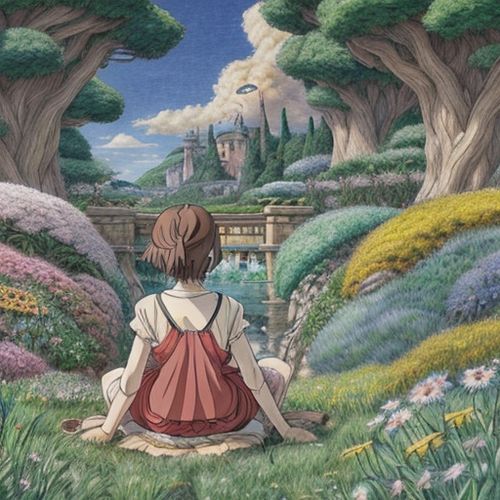
Just days after OpenAI launched its most advanced AI image generator to date, a social media trend imitating the work of Japanese animation company Studio Ghibli has taken the internet by storm. This trend is not only demonstrating the incredible capabilities of the latest AI technology but also highlighting the complex copyright concerns it raises.
The Power of GPT-4o
The latest update to GPT-4o, released on March 25, 2025, features significant advancements in image generation capabilities. Unlike previous models, GPT-4o can now generate images directly within ChatGPT, allowing users to refine and adjust details through conversation. This new model is trained to handle multiple media forms simultaneously, resulting in higher fidelity and more accurate text rendering within images. Users can now create a wide range of visuals, from realistic images to stylized illustrations, with unprecedented precision.
One of the most notable features of GPT-4o is its ability to follow complex prompts with high accuracy. Users can describe an image in detail, specifying aspects such as aspect ratio, color schemes, and transparency, and GPT-4o will generate the image within minutes. This capability has led to the creation of stunning visuals that mimic the iconic style of Studio Ghibli, capturing the magical and whimsical essence of the Japanese animation studio.
The Ghibli-Inspired Trend
Users of ChatGPT and OpenAI’s text-to-video service, Sora, have quickly taken to social media platforms like X and Instagram to share their Ghibli-inspired creations. These images and videos range from recreations of popular movie scenes to political events, all reimagined in the distinctive Studio Ghibli style. Some of the most viral posts include a reworked trailer for "The Lord of the Rings: The Fellowship of the Ring," scenes from "The Sopranos," and even a depiction of Elon Musk playing with cutlery, based on a recent video of the billionaire balancing spoons during a dinner.
However, this trend has not gone unnoticed by Studio Ghibli. In a 2016 video, co-founder Hayao Miyazaki described AI-generated art as an "insult to life itself," expressing his disdain for the technology. Miyazaki, known for his hand-drawn animation and painstaking frame-by-frame method, finds AI-generated art to be a stark contrast to the traditional craftsmanship he values.
Copyright Concerns
The Ghibli-inspired trend has reignited discussions about the role of AI in art and the potential copyright issues it raises. Just weeks prior, nearly 4,000 people signed an open letter calling on Christie’s auction house to cancel a sale dedicated solely to AI art, citing concerns that the programs used to create some generative digital pieces are trained on copyrighted work and exploit human artists.
OpenAI’s CEO, Sam Altman, acknowledged the trend with a sense of humor, noting that after years of working on AI advancements, it was the Ghibli-style images that generated viral interest. However, the company has implemented safeguards to address some of these concerns. For instance, GPT-4o-generated images include C2PA metadata to verify their AI origin, and the model refuses prompts that ask for images in the style of a living artist.
The Future of AI and Art
As AI-generated art becomes more precise and accessible, the line between human creativity and machine-generated content continues to blur. The Ghibli-inspired trend is a prime example of how AI can both inspire and challenge traditional notions of art and copyright. While AI tools like GPT-4o offer incredible opportunities for creativity and innovation, they also raise important questions about the ethical use of technology and the protection of artistic rights.
In conclusion, the Ghibli-inspired AI art trend is a double-edged sword. It showcases the remarkable capabilities of AI in mimicking and even enhancing artistic styles, but it also underscores the need for clear guidelines and ethical considerations in the use of such technology. As we navigate this new frontier, it is crucial to balance the excitement of technological advancements with the respect and protection of artistic integrity.
By David Anderson/Apr 3, 2025
By Samuel Cooper/Apr 3, 2025
By Eric Ward/Apr 3, 2025
By Amanda Phillips/Apr 3, 2025
By Amanda Phillips/Apr 3, 2025
By Sophia Lewis/Apr 3, 2025
By George Bailey/Apr 3, 2025
By Sophia Lewis/Apr 3, 2025
By Laura Wilson/Apr 3, 2025
By Emily Johnson/Apr 3, 2025
By Jessica Lee/Feb 26, 2025
By Sarah Davis/Feb 26, 2025
By James Moore/Feb 26, 2025
By Noah Bell/Feb 26, 2025
By Noah Bell/Feb 26, 2025
By Daniel Scott/Feb 26, 2025
By Ryan Martin/Feb 26, 2025
By Victoria Gonzalez/Feb 26, 2025
By Benjamin Evans/Feb 26, 2025
By Lily Simpson/Feb 26, 2025